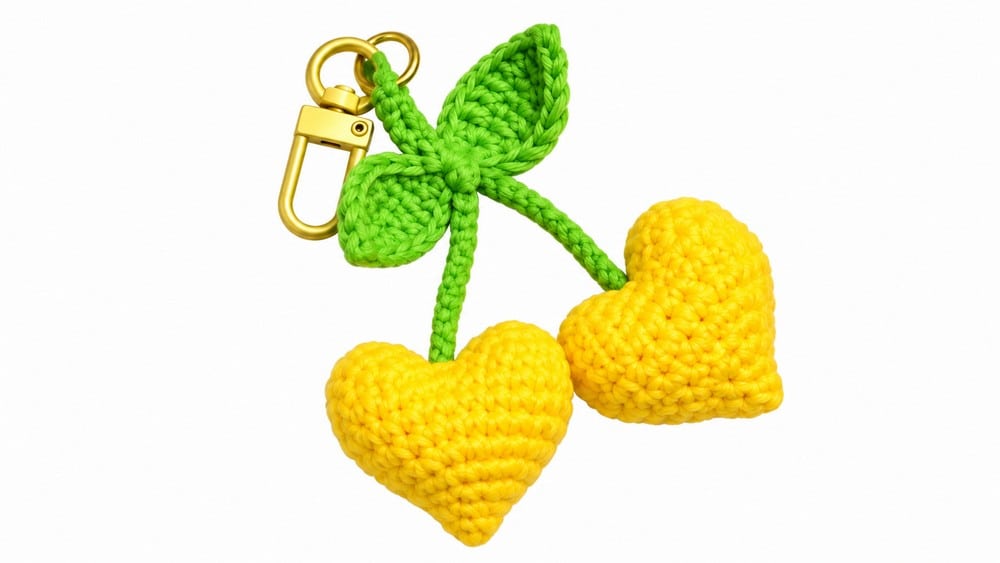
Accessories are where crochet becomes part of everyday life: the tote you carry to the market, the pouch that holds your phone, the charm on your keys, the bow in your hair. This page gathers all our free crochet bag and accessory patterns: granny square totes and crossbody bags, pencil cases and phone covers, keychains, hats, headbands, bows and even jewelry.
Patterns are sorted into four collections. Each collection page lists the designer's skill level, hook and yarn for every pattern, from the most approachable to the most advanced. Below the collections is a practical guide to making accessories that last: yarn, structure, hardware, linings, finishing and care.
Browse bags and accessories by type
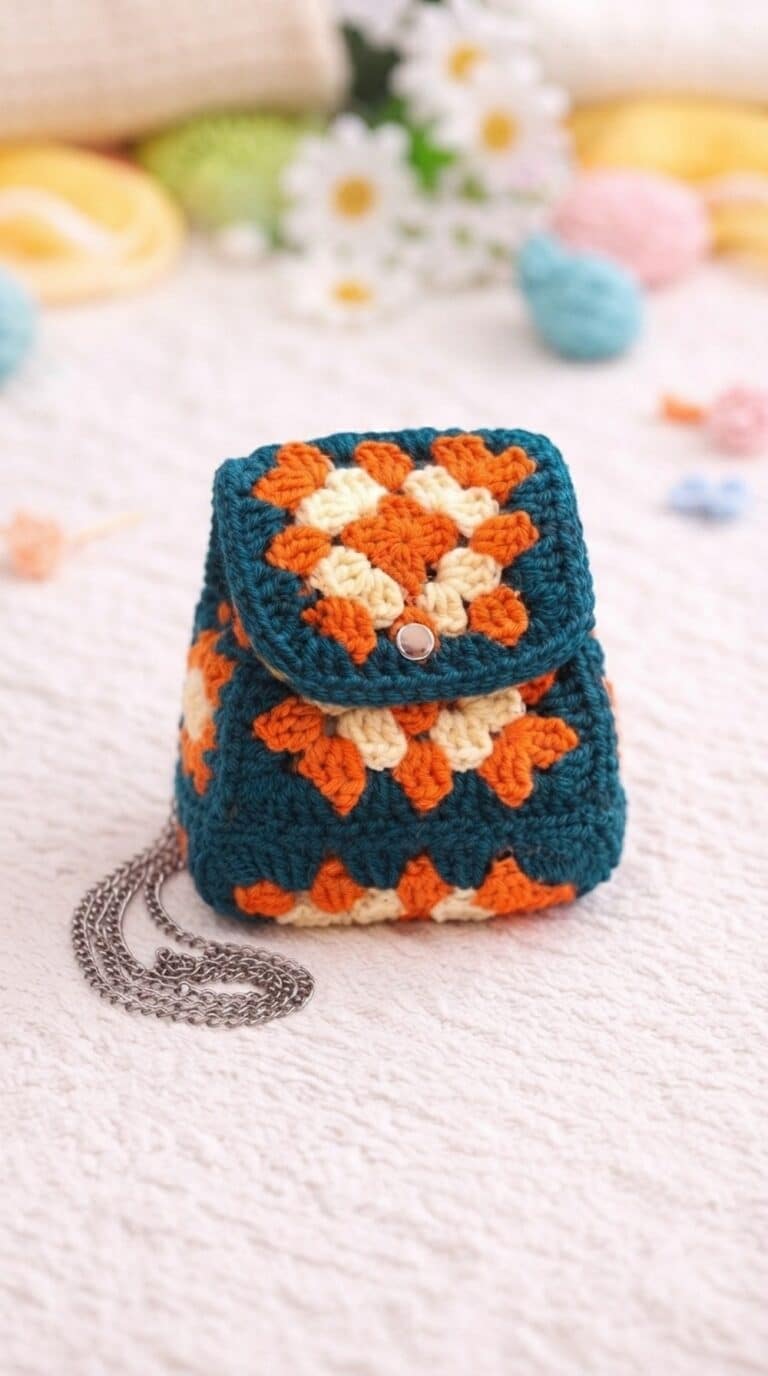
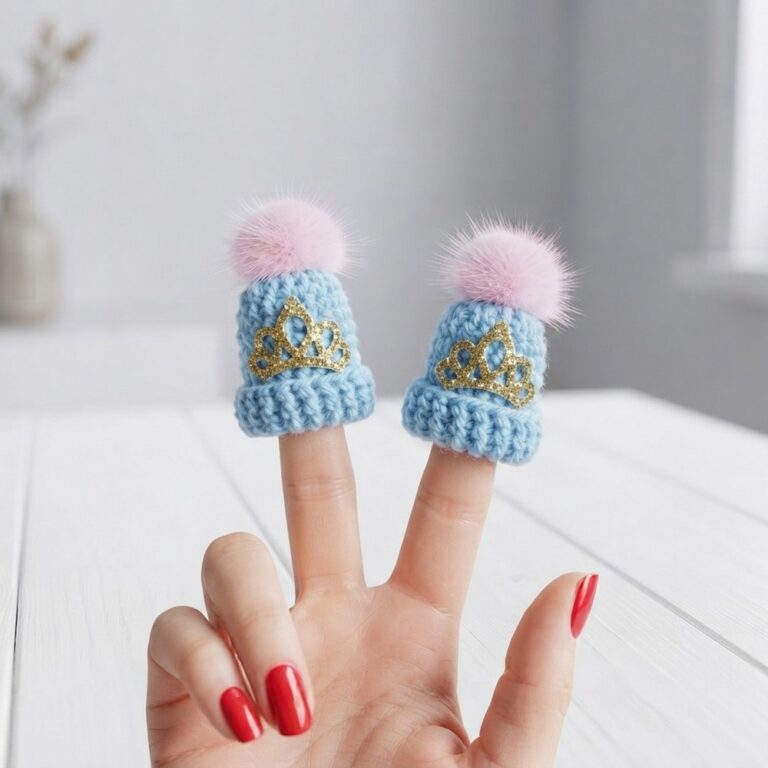
- Bags and totes: granny square totes, sunflower and lavender totes, a sunset ombre crossbody, a mesh bag, a handbag and a mini bag for kids.
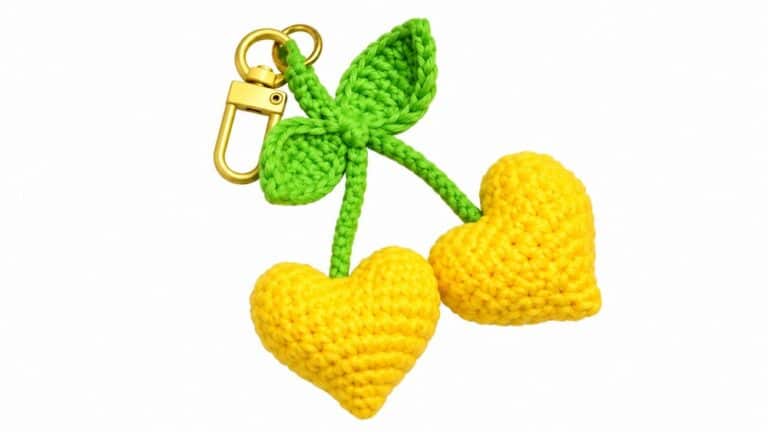
- Keychains and charms: mini cats, an octopus, a capybara, bats, hearts, a sunflower, pizza and more, all small enough for a keyring.
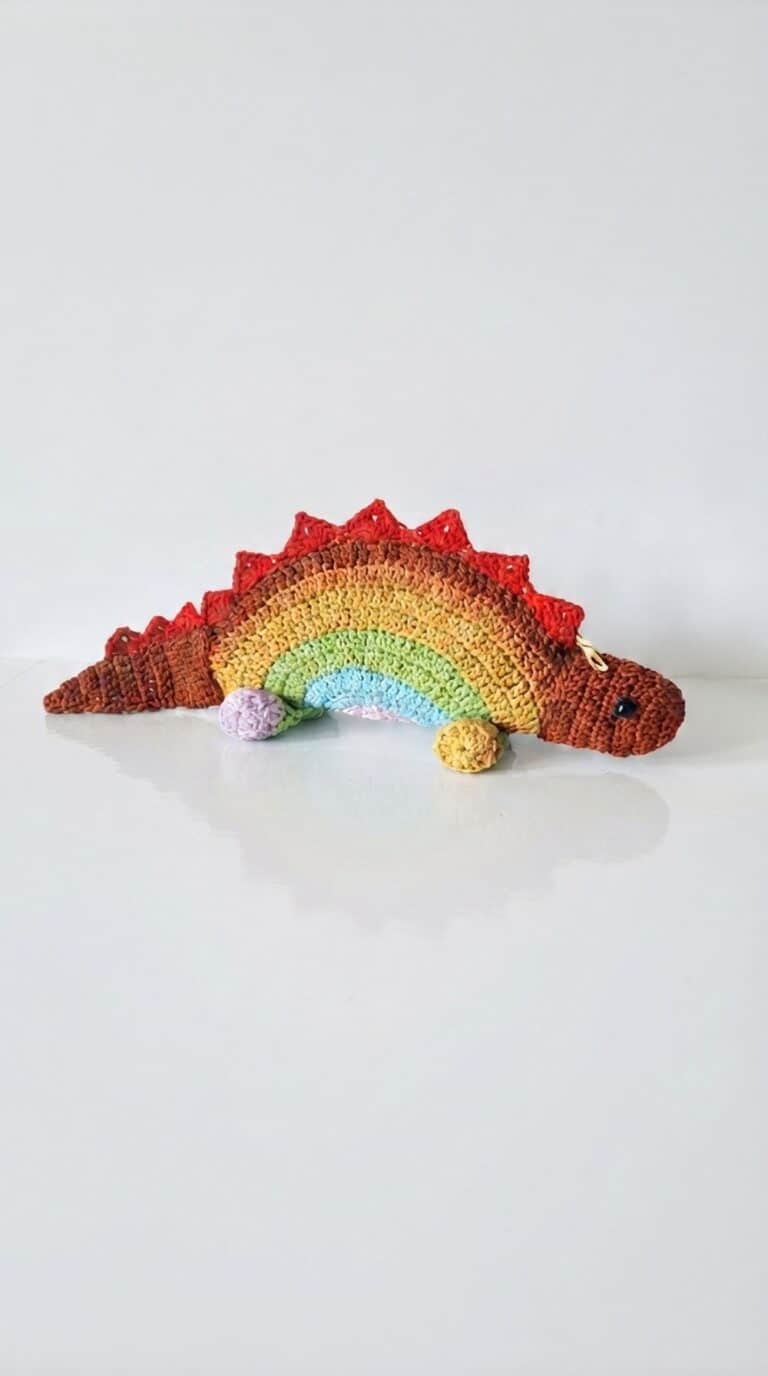
- Pouches and cases: dinosaur, panda, bear and carrot pencil cases, phone covers, an AirPods case and travel covers.
- Hats and hair accessories: bows, hair ties, headbands, a hair kerchief, a bridal hair vine, cuffs, beanies and caps.
Granny squares turn up in many of these accessories. To see every granny square project on the site, from totes to cardigans, visit the granny square collection.
Quick wins to start with
Accessories are some of the best first projects in crochet, because they are small and useful.
- A flat charm: the mini heart keychain rated beginner or the sunflower keychain takes very little yarn or time.
- A first bow: the beginner bow pattern with five variations is perfect for scraps.
- A first case: the granny square phone cover is rated beginner and teaches joining squares.
- A first bag: the kids' mini bag is rated beginner and introduces the base, sides and strap of a bag.
Bag styles explained
"Crochet bag" covers many shapes, and each one is built a little differently. Knowing the style helps you pick a pattern that suits how you will use it.
Tote: a large, open-topped bag with two handles, usually built on a rectangular base. Totes carry the most, so they need the strongest yarn and handles. Most granny square bags on our site are totes, as is the sunflower summer tote.
Shoulder bag: a medium bag with one longer strap. The shoulder bag pattern here uses bulky yarn on a 6 mm hook, so it works up quickly and feels sturdy.
Crossbody: a smaller bag on a long strap worn across the body. The sunset ombre crossbody is rated advanced, with color shading and a shaped body.
Mesh or market bag: an open, stretchy net that expands to hold shopping. Mesh bags fold away small and are a great everyday project.
Handbag or purse: a structured bag with a closure and short handles. Linings and a firm base matter most here.
Mini bag: a small bag for kids or for carrying just keys and a phone. A mini bag is the best way to learn bag construction before you commit to a big tote.
Planning colors for accessories
Color does a lot of the work in small accessories. A few simple guidelines help:
- Granny squares: choose one color for the final round or border of every square. It ties a bag together, even when the centers are all different.
- Bags: darker colors hide everyday dirt; light cotton shows marks quickly but looks fresh in summer.
- Keychains and charms: bright, high-contrast colors make tiny details, like faces and pizza toppings, easy to read.
- Hair accessories: match bows and clips to a favorite outfit, or make a set in several shades from leftover yarn.
- Ombre: gradient yarn or planned color changes, as in the sunset crossbody, give a striking effect with no extra joins.
Choosing yarn for accessories that last
Accessories get handled, stuffed into pockets and carried every day. The yarn needs to be tough.
| Yarn | Strength | Stretch | Best for |
|---|---|---|---|
| Cotton or mercerized cotton | Very strong | Very little | Totes, cases, keychains, granny bags |
| Cotton-acrylic blends | Strong | A little | Everyday bags and pouches |
| Acrylic | Good | Can stretch under weight | Light purses, hats, hair accessories |
| Chenille or velvet | Moderate | Some | Plush pencil cases and charms |
| Fine cotton thread | Strong for its size | Very little | Lace hair accessories and jewelry |
For anything that will carry weight, cotton is the safest choice. Acrylic is lovely for hats and light purses, but bag handles in acrylic can stretch over time.
Work accessories a little tighter than you would a blanket or garment. Denser fabric holds its shape, hides linings and lasts longer.
Giving bags structure
A floppy bag is a common disappointment. Here are the main ways to give crochet bags shape:
A firm base
Start bags with a flat oval or rectangular base, worked in single crochet or a dense stitch. A base that is slightly stiffer than the sides helps the bag stand up.
Lining
A fabric lining takes the weight, stops the crochet from stretching, and keeps small items from falling through open stitches. Several bag patterns here explain how to sew one. Cut the lining to the bag's measurements, sew it as a simple pouch, and stitch it inside the top edge.
Interfacing or plastic canvas
For a really structured bag, add fusible interfacing to the lining, or slip a piece of plastic canvas into the base between the crochet and the lining.
Strong handles
Handles take the most strain. Work them in single crochet with a smaller hook than the body, sew them on through several rows, or use ready-made handles in leather, wood or bamboo.
Hardware: zippers, clasps and rings
| Hardware | Used for | Tip |
|---|---|---|
| Zipper | Pencil cases and pouches | Choose one slightly shorter than the opening; sew with a backstitch |
| Split ring | Keychains | Strong and secure for house keys |
| Lobster clasp | Bag charms | Easy to clip on and off zipper pulls |
| Magnetic snap | Bags and cases | Attach to the lining or a fabric tab, not directly to crochet |
| Button and loop | Phone and diary covers | Use a shank button for thick yarn |
| Hair clips and elastics | Bows and hair accessories | Sew through a small felt backing |
Always attach hardware through several stitches or rows, not a single stitch. A tug test before gifting saves a lot of disappointment.
Small accessories, big impact
Small accessories are perfect for using up yarn left from bigger projects. A ball of leftover cotton can become a set of keychains, a bow or a phone cover. They are also ideal for practicing techniques: color changes on a pizza charm, shaping on a pencil case, or lace on a hair kerchief.
For a coordinated look, make a matching set: a granny square tote, a phone cover in the same colors and a charm for the strap.
Thread crochet for jewelry and fine accessories
A few accessories here, such as the ear cuff, the nose cuff, the lace hair kerchief and the bridal hair vine, use fine cotton thread on steel hooks between 0.75 and 1.75 mm. Thread crochet uses the same stitches as yarn crochet, just much smaller.
If you have never tried it, start with the largest hook in that range and a smooth, mercerized cotton thread in a light color, so you can see each stitch. Work in good light, take breaks to rest your hands, and expect your first piece to be slower than you think. The results are delicate, lightweight and surprisingly strong, which makes them ideal for jewelry and special-occasion pieces like a handmade wedding hair vine.
Making accessories to gift or sell
Accessories are among the most popular handmade gifts: they are useful, personal and quick to make in batches.
Batch-making: make all the pieces of one step together. For keychains, crochet all the bodies, then add all the faces, then attach all the hardware.
Selling: if you plan to sell finished items, check each pattern post for the designer's terms first. Designs based on trademarked characters often cannot be sold.
Children: keep keychains, clips, beads and small hardware away from babies and toddlers, since these parts can come loose.
Finishing touches
- Weave in ends securely, especially on items that are handled a lot. Weave in at least three different directions.
- Block flat pieces such as cases, covers and bows so they lie neatly.
- Edge openings with a round of single crochet or slip stitch to stop them stretching.
- Starch bows and lace accessories lightly if you want them to hold a crisp shape.
If you need a refresher on the basics, our step-by-step guides to the chain stitch and single crochet cover the stitches most accessories start with.
Fixing common accessory problems
"My bag won't stand up." The base is too soft, or the sides are too loose. Rework the base in single crochet with a smaller hook, or add plastic canvas inside a lining.
"The handles stretched." Acrylic handles stretch under weight. Remake them in cotton, work them in tight single crochet, or replace them with leather or wooden handles.
"Things fall through my mesh bag." That is the nature of mesh. Add a fabric lining or a small inner pouch for keys and coins.
"My bow won't keep its shape." Use cotton instead of acrylic, cinch the center tightly, and starch it lightly.
"My pencil case is too small." Measure the contents before you start, and swatch with your yarn. Add rows before closing, rather than after.
"My keychain looks squashed." Stuff small pieces firmly, and work tightly so the stitches do not open up when the charm is squeezed.
Caring for crochet bags and accessories
Spot-clean bags with a damp cloth when you can. For a full wash, remove any hardware you can, hand wash in cool water, press out the water in a towel and dry flat, reshaping as it dries. Lined bags are best spot-cleaned, so the lining does not shrink at a different rate. Store bags stuffed with paper so they keep their shape.
Frequently asked questions
What is the easiest crochet accessory to make?
A flat keychain or a bow. The mini heart keychain and the beginner bow pattern are rated beginner, and both use very little yarn.
What yarn is best for crochet bags?
Cotton or mercerized cotton. It is strong, barely stretches and holds its shape, which matters most in totes and granny square bags.
How do I stop a crochet bag from stretching?
Use cotton, work the handles tightly or use ready-made handles, and add a fabric lining to take the weight.
How do I attach a zipper to a crochet pouch?
Pin the zipper along the opening and sew it in with a backstitch using sewing thread. A lining neatly hides the zipper tape inside.
Can I sell accessories made from these patterns?
Check each pattern post for the designer's terms. Never sell the pattern itself, and avoid selling items based on trademarked characters.
More collections to explore
- Granny Square Crochet Patterns (17 patterns)
- Crochet Clothing Patterns (4 collections)
- Free Crochet Amigurumi Patterns (7 collections)